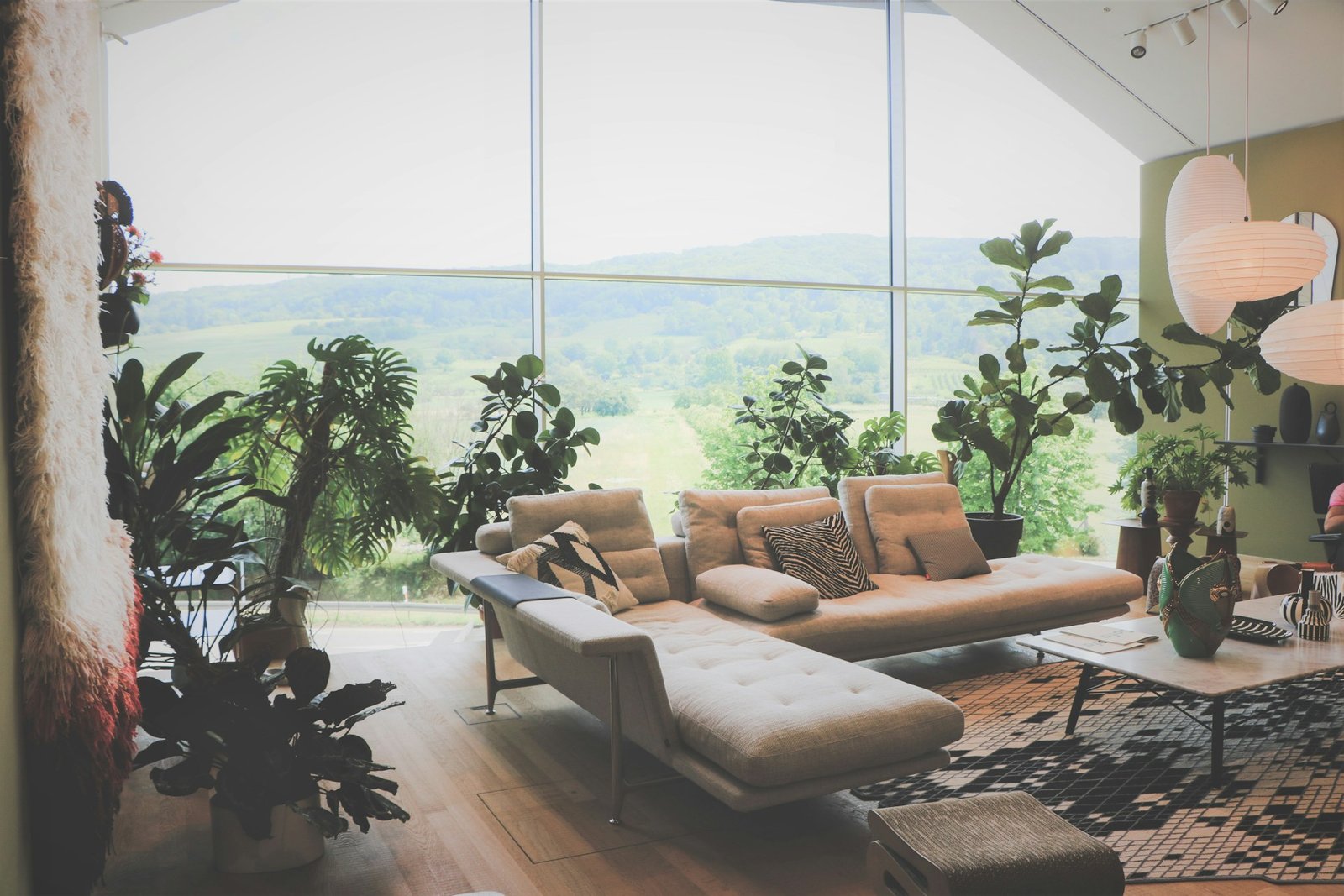
Biophilic Interior Design: Bringing Nature Indoors For Calm Living
In our increasingly fast-paced, technology-driven world, finding a sanctuary where we can unplug and recharge is more crucial than ever. Our homes should be that haven. Enter biophilic interior design—a concept that goes far beyond merely placing a potted plant in a corner. It is a comprehensive approach to architecture and interior design that seeks to connect our indoor environments with the natural world, fostering a profound sense of calm, well-being, and vitality.
If you are looking to transform your living space into a restorative retreat, understanding and implementing the principles of biophilic design is the key.
What is Biophilic Design?
The term “biophilia,” popularized by biologist E.O. Wilson in the 1980s, translates to “love of life or living systems.” It suggests that humans possess an innate, evolutionary desire to connect with nature. When we are separated from the natural world, our stress levels rise, and our mental health can suffer.
Biophilic interior design aims to bridge this gap. It’s an innovative way of designing the places where we live, work, and learn, directly incorporating natural elements, natural light, spatial conditions, and natural materials to mimic the outdoors. The objective is to create spaces that resonate with our biological programming, reducing stress, improving cognitive function, and enhancing creativity.
The Core Principles of Biophilic Interior Design
To successfully bring biophilic design into your home, you need to understand its fundamental pillars. It’s not just about aesthetics; it’s about engaging all the senses.
1. Direct Experience of Nature
This involves integrating tangible, living elements into your indoor space.
- Plants and Greenery: This is the most obvious and accessible step. Incorporating a variety of indoor plants—from small succulents on a windowsill to large statement trees like a Ficus or Monstera—instantly breathes life into a room. Plants improve air quality and provide a visual connection to growth and vitality.
- Water Features: The sound and sight of moving water are incredibly soothing. A small indoor fountain, a babbling water wall, or even an aquarium can introduce this essential natural element, reducing blood pressure and heart rate.
- Natural Light: Maximizing daylight is critical. Swap heavy drapes for sheer curtains, utilize skylights if possible, and arrange your furniture to benefit from the sun’s trajectory. Natural light regulates our circadian rhythms, improving sleep and mood.
- Fresh Air: Whenever possible, open windows to allow cross-ventilation. The feeling of a gentle breeze and the changing temperatures throughout the day remind us of the dynamic natural world outside.
2. Indirect Experience of Nature
When direct experiences aren’t fully possible, we can use representations and evocations of nature.
- Natural Materials: Ditch the plastics and synthetics. Opt for materials that show the passage of time and wear naturally. Wood, stone, bamboo, rattan, cork, and natural fibers like wool, cotton, and linen bring tactile warmth and authenticity to a space.
- Earthy Color Palettes: Draw inspiration from the landscape. Soft greens, earthy browns, calming blues, and muted sandy tones create a serene backdrop. These colors are easier on the eyes and promote a sense of tranquility compared to stark whites or jarring neon hues.
- Organic Shapes and Forms: Nature rarely utilizes perfect straight lines or sharp right angles. Incorporate furniture and decor with soft curves, flowing lines, and asymmetrical shapes. Think of an organically shaped coffee table, curved archways, or a botanical-printed wallpaper.
- Evoking Natural Environments: Artwork depicting landscapes, nature photography, or even subtle, earthy scents (like cedar, pine, or lavender) can trigger the brain’s positive associations with the outdoors.
3. Spatial Conditions (Experience of Space and Place)
This principle deals with how we feel within a space, mimicking the environments our ancestors navigated.
- Prospect and Refuge: Humans feel safest when they have a clear view of their surroundings (prospect) while feeling protected from behind (refuge). You can achieve this by placing a comfortable reading chair in a cozy corner that looks out over the room or through a window, or by designing a built-in window seat.
- Mystery and Discovery: A space shouldn’t reveal everything at a single glance. Curved hallways, partially obscured views, or rooms that unfold gradually entice exploration and engage the mind, much like walking through a forest.
Actionable Steps for Calm Living
Ready to implement biophilic design in your home? Here are practical ways to get started.
The Living Room: A Gathering Place
The living room should be a space for relaxation and connection. Focus on tactile materials. Choose a substantial wooden coffee table, a jute rug, and linen upholstery. Arrange your seating to face a window overlooking the garden rather than just the television. Introduce a large, leafy plant in a textured terracotta pot to serve as a focal point.
The Bedroom: A Restorative Sanctuary
The bedroom must prioritize sleep and restoration. Maximize natural light during the day but ensure you have blackout options for the night to respect your circadian rhythm. Use natural, breathable bedding. Keep the color palette soft and muted—think sage green or pale blue. Minimize electronics, which emit unnatural light and disrupt the serene atmosphere.
The Bathroom: A Spa-Like Retreat
Bathrooms are uniquely suited for biophilic design. If privacy allows, maximize window space. Use natural stone or pebble tiles in the shower to mimic a riverbed. Many plants, such as ferns and orchids, thrive in the humid environment of a bathroom, turning it into a miniature tropical oasis.
The Kitchen: The Heart of the Home
Bring nature into the kitchen through functional elements. Grow a small indoor herb garden on the windowsill; it provides greenery, scent, and fresh ingredients for cooking. Utilize wooden cutting boards, stone countertops, and natural clay ceramics to enhance the tactile experience.
The Transformative Power of Biophilic Design
Embracing biophilic interior design is a commitment to creating an environment that supports your holistic well-being. It is a rebellion against sterile, artificial spaces in favor of homes that breathe, change, and comfort us.
By strategically weaving natural elements, materials, and light into the fabric of your home, you do more than just decorate; you cultivate a sanctuary. You create a space that intuitively understands your need for calm, offering a daily retreat where you can thrive in harmony with the natural world. Start small—perhaps with a single plant or a change in your color palette—and gradually build a home that is truly alive.