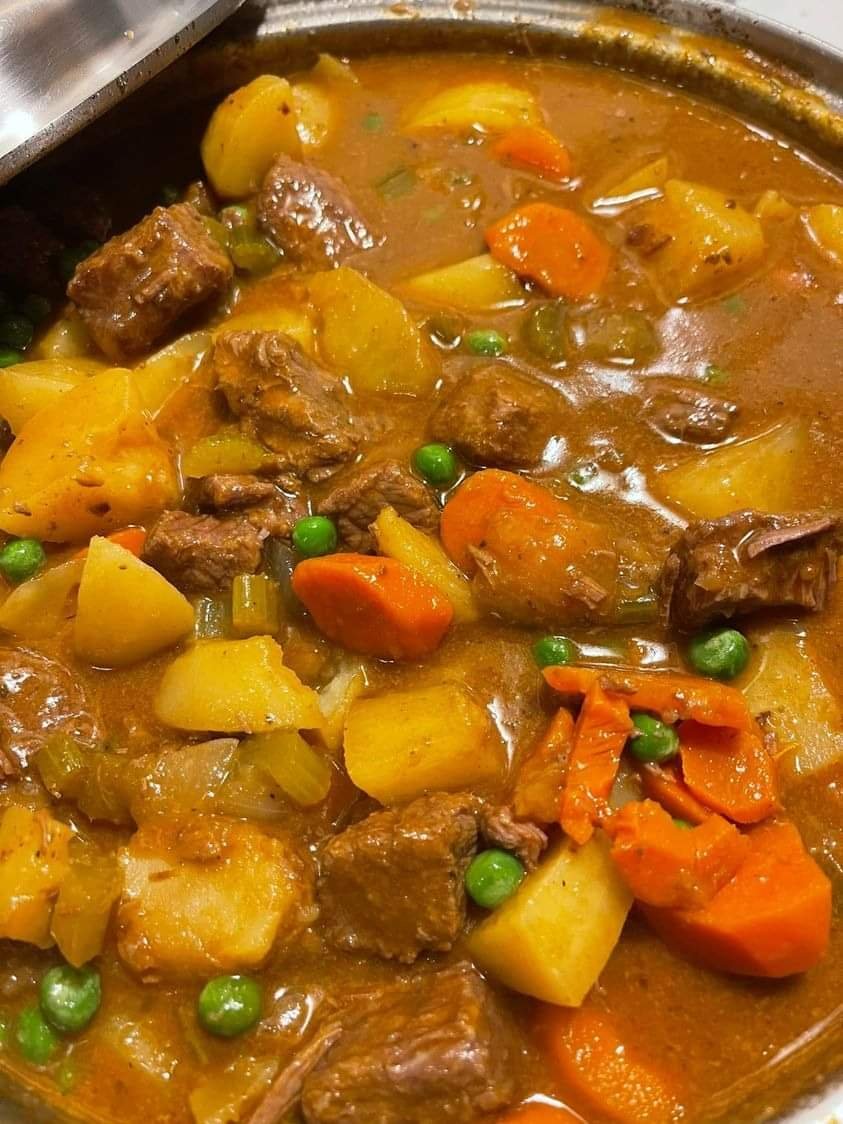
The Ultimate Homemade Beef Stew: A Comforting Classic
When the weather turns chilly and the days grow shorter, there is nothing quite as comforting as a big, steaming bowl of Homemade Beef Stew. This classic dish is a staple in households around the world, and for good reason. It’s hearty, warming, and packed with tender chunks of beef and wholesome vegetables, all simmered together in a rich, savory gravy. In this comprehensive guide, we’ll walk you through everything you need to know to make the absolute best beef stew right in your own kitchen.
The Secret to the Best Beef Stew
Creating a truly exceptional beef stew requires a little bit of patience and the right ingredients. The secret lies in building layers of flavor and cooking the meat low and slow until it practically melts in your mouth. Let’s break down the essential components that make this stew a masterpiece.
Choosing the Right Cut of Beef
For a stew, you want a tough cut of meat that benefits from a long, slow cooking process. Chuck roast is the undisputed king of stew meats. It has excellent marbling (connective tissue and fat) that breaks down during braising, resulting in incredibly tender meat and a flavorful broth. While you can buy pre-cut “stew meat” at the grocery store, buying a whole chuck roast and cutting it yourself ensures you get the best quality and uniformly sized pieces.
The Aromatic Foundation
A robust stew needs a strong foundation of aromatics. The classic trio of onions, carrots, and celery (mirepoix) provides sweetness and depth. Garlic is a must for its pungent, earthy flavor.
The Cooking Liquid
The liquid you choose forms the base of your gravy. A high-quality beef broth is essential. For an even richer flavor, consider replacing a cup of the broth with a dry red wine, such as Cabernet Sauvignon or Merlot. The wine adds a wonderful acidity and complexity to the dish.
Herbs and Seasonings
Fresh herbs elevate the stew from good to great. Thyme, rosemary, and bay leaves are traditional choices that pair beautifully with beef. Don’t forget to season generously with salt and freshly cracked black pepper.
Step-by-Step Instructions for Perfect Beef Stew
Follow these steps carefully to achieve a deeply flavorful and tender stew.
Step 1: Prep and Sear the Meat
- Cut the Beef: Trim any excess hard fat from your chuck roast and cut it into 1.5-inch cubes. Pat the meat completely dry with paper towels. This is crucial for a good sear.
- Season: Toss the beef cubes generously with salt and pepper.
- Sear: Heat a large Dutch oven or heavy-bottomed pot over medium-high heat. Add a tablespoon of olive oil. Sear the beef in batches, making sure not to overcrowd the pan. Let the meat brown deeply on all sides. Remove the browned beef to a plate and set aside.
Step 2: Sauté the Aromatics
- Onions and Garlic: Lower the heat to medium. Add a little more oil to the pot if necessary. Add chopped onions and sauté until softened, about 5 minutes. Add minced garlic and cook for 1 minute more.
- Tomato Paste: Stir in a couple of tablespoons of tomato paste. Let it cook for a minute or two until it darkens slightly. This step caramelizes the paste and adds a rich umami flavor.
Step 3: Deglaze the Pot
Pour in the red wine (or a splash of beef broth if you’re not using wine). Use a wooden spoon to scrape up all those glorious browned bits stuck to the bottom of the pot. Those bits (the fond) are packed with flavor! Let the liquid simmer until it’s reduced by half.
Step 4: Simmer Low and Slow
- Combine: Return the browned beef and any accumulated juices to the pot. Pour in the beef broth. Add your fresh herbs (thyme, rosemary) and a couple of bay leaves.
- Simmer: Bring the liquid to a gentle boil, then immediately reduce the heat to the lowest setting. Cover the pot with a tight-fitting lid and let it simmer very gently for 1.5 to 2 hours. The meat should be starting to become tender.
Step 5: Add the Vegetables
Once the meat is getting tender, it’s time to add the vegetables. We add them later in the cooking process so they don’t turn to mush.
1. Add chopped carrots, celery, and potatoes (Yukon Gold or baby potatoes work well as they hold their shape).
2. Continue to simmer, covered, for another 30-45 minutes, or until the vegetables are fork-tender and the beef easily pulls apart.
Step 6: Thicken the Gravy (Optional)
If you prefer a thicker stew, you can create a slurry. Mix equal parts cornstarch and cold water (about 1 tablespoon each) until smooth. Stir the slurry into the bubbling stew and let it cook for a few minutes until it reaches your desired consistency.
Step 7: Final Seasoning
Remove the herb sprigs and bay leaves. Taste the stew and add more salt and pepper if needed. A splash of Worcestershire sauce or a teaspoon of balsamic vinegar stirred in right at the end can add a wonderful finishing touch.
Serving Suggestions
Serve this incredible Homemade Beef Stew piping hot in deep bowls. It pairs perfectly with crusty bread, buttermilk biscuits, or a side of creamy mashed potatoes to soak up all that delicious gravy. A simple green salad with a vinaigrette dressing cuts through the richness of the stew nicely.
Storage and Freezing
To Store: Leftover stew tastes even better the next day! Store it in an airtight container in the refrigerator for up to 4 days. Reheat gently on the stovetop or in the microwave.
To Freeze: Beef stew freezes exceptionally well. Let it cool completely, then transfer to freezer-safe containers or heavy-duty freezer bags. Freeze for up to 3 months. Thaw overnight in the refrigerator before reheating. Note that the texture of potatoes may change slightly after freezing, but they will still be delicious.
Conclusion
Making Homemade Beef Stew is an act of culinary love. It requires a bit of time, but the reward is a deeply satisfying, soul-warming meal that brings everyone to the table. By choosing the right cuts of meat, building flavor step-by-step, and allowing for a slow simmer, you’ll create a dish that is sure to become a cherished family recipe. Enjoy the process and the delicious results!