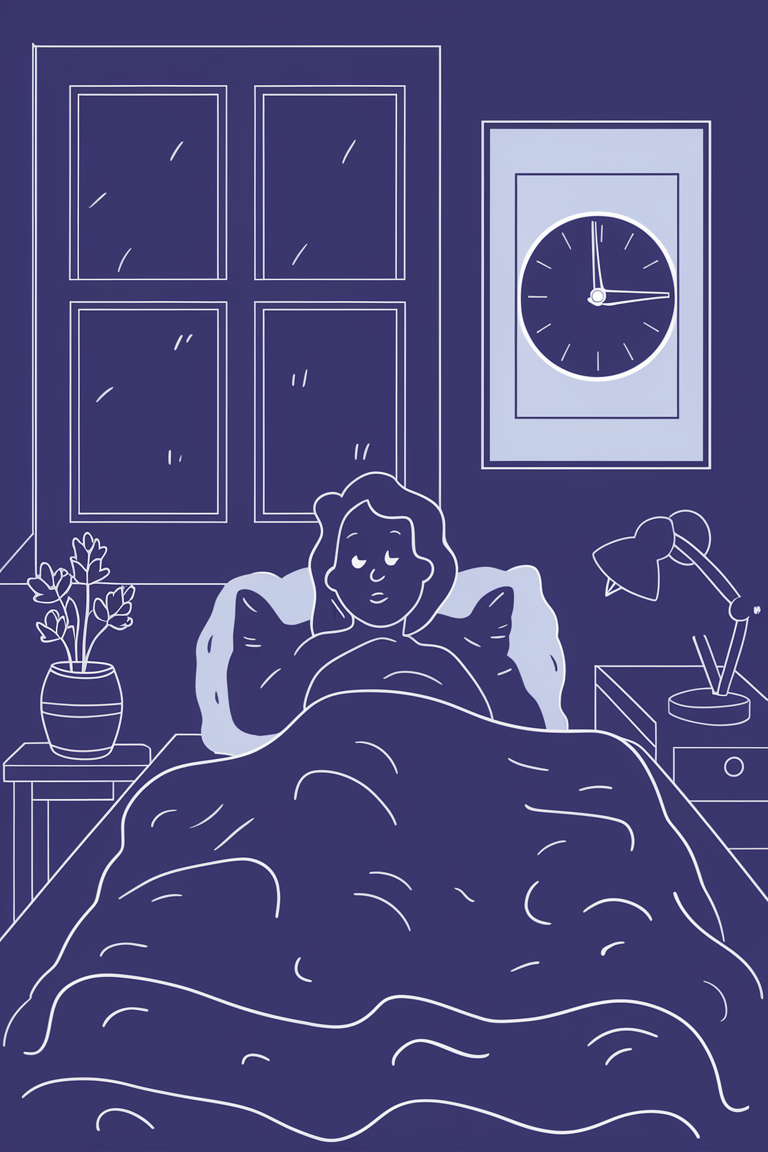
How To Train Your Brain To Fall Asleep In 60 Seconds
Introduction
Do you find yourself tossing and turning at night, unable to shut off your racing thoughts? You’re not alone. Millions of people struggle with falling asleep quickly. However, what if you could train your brain to drift off in just 60 seconds? In this guide, we will explore effective techniques to help you fall asleep faster, improve your sleep quality, and wake up feeling refreshed.
The Importance of Sleep
Sleep is a vital component of our overall health and well-being. It allows our bodies to repair themselves and our brains to consolidate memories and process information.
– Physical Health: Adequate sleep lowers the risk of chronic conditions like heart disease and diabetes.
– Mental Clarity: Good sleep improves concentration, productivity, and cognitive performance.
– Emotional Balance: Lack of sleep is linked to depression, anxiety, and irritability.
The 4-7-8 Breathing Technique
One of the most famous methods for falling asleep quickly is the 4-7-8 breathing technique, developed by Dr. Andrew Weil. It acts as a natural tranquilizer for the nervous system.
How to Do It:
- Exhale completely through your mouth, making a whoosh sound.
- Close your mouth and inhale quietly through your nose to a mental count of 4.
- Hold your breath for a count of 7.
- Exhale completely through your mouth, making a whoosh sound to a count of 8.
- Repeat the cycle three more times for a total of four breaths.
Progressive Muscle Relaxation (PMR)
Progressive Muscle Relaxation involves tensing and then relaxing different muscle groups in your body. This helps release physical tension and signals to your brain that it’s time to sleep.
Steps to Practice PMR:
- Start with your toes: tense them tightly for 5 seconds, then release and relax for 10 seconds.
- Move up to your calves, thighs, abdomen, chest, arms, and finally your face.
- Focus on the sensation of relaxation as the tension leaves your body.
The Military Method
Developed by the US Navy Pre-Flight School to help pilots fall asleep in 2 minutes or less, this method is highly effective with practice.
1. Relax your entire face, including the muscles inside your mouth.
2. Drop your shoulders to release tension, and let your hands drop to the side of your body.
3. Exhale, relaxing your chest.
4. Relax your legs, thighs, and calves.
5. Clear your mind for 10 seconds by imagining a relaxing scene (e.g., lying in a canoe on a calm lake). If thoughts intrude, repeat “don’t think” for 10 seconds.
Optimize Your Sleep Environment
Your bedroom should be a sanctuary for sleep.
– Temperature: Keep the room cool, around 65°F (18°C).
– Light: Make the room as dark as possible using blackout curtains or an eye mask.
– Noise: Use earplugs or a white noise machine to block out disruptive sounds.
Establish a Bedtime Routine
Consistency is key. Going to bed and waking up at the same time every day helps regulate your body’s internal clock (circadian rhythm).
– Limit screen time at least an hour before bed.
– Engage in relaxing activities like reading, taking a warm bath, or gentle stretching.
Conclusion
Falling asleep quickly doesn’t have to be a struggle. By practicing techniques like the 4-7-8 method, PMR, and optimizing your sleep environment, you can effectively train your brain to fall asleep in 60 seconds. Remember, consistency and patience are crucial as you develop these new habits. Sweet dreams!