Best Lasagna Recipe – New Kitchen Book
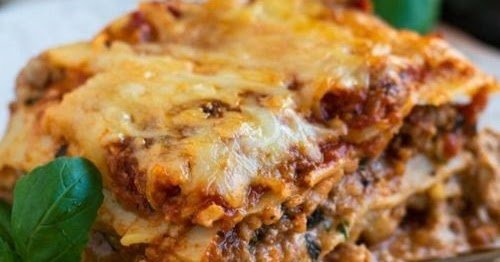
There are few dishes as universally beloved as a classic, deeply comforting lasagna. Layers of rich meat sauce, creamy ricotta cheese, and perfectly cooked pasta, all baked together until bubbly and golden brown—it’s the ultimate expression of culinary love. If you’ve been searching for the quintessential, “best ever” lasagna recipe, look no further. This recipe, inspired by traditional techniques and modern culinary wisdom (like the kind you’d find in a definitive new kitchen book), is designed to be the only lasagna recipe you’ll ever need.
The Anatomy of a Perfect Lasagna
A truly great lasagna is more than just throwing ingredients into a pan and baking them. It requires a thoughtful balance of flavors, textures, and structural integrity. A perfect lasagna should be robust enough to hold its shape when cut, yet tender enough to melt in your mouth. It shouldn’t be overly soupy, nor should it be dry. Achieving this balance relies on mastering its three main components: the ragù (meat sauce), the cheese filling, and the pasta.
1. The Ragù: The Heart of the Lasagna
The foundation of any exceptional lasagna is its sauce. While a simple marinara might suffice for a quick weeknight meal, a proper lasagna demands a rich, slow-simmered meat sauce, or ragù. This recipe utilizes a combination of ground beef and Italian sausage, providing a complex, deeply savory flavor profile.
- The Meat: Ground beef (80/20 is ideal for flavor) provides a hearty base, while mild or spicy Italian sausage adds incredible depth with its built-in spices like fennel and garlic.
- The Aromatics: The classic Italian soffritto—a finely chopped mixture of onions, carrots, and celery—forms the aromatic flavor base. Sautéing these vegetables until they are soft and sweet is a crucial step that shouldn’t be rushed.
- The Tomatoes: High-quality crushed tomatoes are essential. Look for brands that use San Marzano tomatoes for the best flavor and natural sweetness. A touch of tomato paste adds concentration and richness.
- The Simmer: This is where the magic happens. A slow, gentle simmer for at least an hour (or longer, if you have the time) allows the flavors to meld and the sauce to thicken to the perfect consistency. A watery sauce will lead to a watery lasagna, so patience is key here.
2. The Cheese Filling: Creamy and Decadent
The cheese layer provides a necessary creamy contrast to the robust meat sauce. While béchamel sauce is traditional in many authentic Italian lasagnas (particularly Lasagna alla Bolognese), the ricotta-based filling is the standard bearer for classic Italian-American lasagna, offering a luxurious texture and slightly tangy flavor.
- Ricotta: Always use whole-milk ricotta for the creamiest texture and best flavor. Part-skim ricotta can result in a grainy, watery filling.
- The Binders: Eggs are crucial in the ricotta mixture; they bind the cheese together, ensuring the layer sets nicely during baking and doesn’t ooze out when you cut the lasagna.
- The Enhancements: Freshly grated Parmesan or Pecorino Romano cheese adds a sharp, salty bite, while fresh parsley provides a vibrant herbaceous note. A pinch of nutmeg is a secret ingredient that subtly enhances the richness of the dairy.
3. The Pasta: The Structural Support
The debate between no-boil noodles and traditional boiled noodles is a passionate one. While no-boil noodles are undoubtedly convenient, traditional lasagna noodles, when prepared correctly, often yield a superior texture and are less prone to becoming gummy.
If you choose to boil your noodles, cook them al dente—they should still have a slight bite to them, as they will continue to cook in the oven. To prevent them from sticking together after boiling, you can lay them out flat on a lightly oiled baking sheet.
The Ultimate Lasagna Recipe
Now, let’s get down to business. Here is the step-by-step guide to creating the best lasagna you’ve ever tasted.
Ingredients
For the Meat Sauce (Ragù):
* 1 tablespoon olive oil
* 1 medium yellow onion, finely chopped
* 1 large carrot, finely diced
* 1 stalk celery, finely diced
* 3 cloves garlic, minced
* 1 lb ground beef (80/20)
* 1 lb mild or spicy Italian sausage, casings removed
* 1 (28-ounce) can high-quality crushed tomatoes
* 1 (15-ounce) can tomato sauce
* 2 tablespoons tomato paste
* 1/2 cup dry red wine (optional, but recommended)
* 1 teaspoon dried oregano
* 1 teaspoon dried basil (or 2 tablespoons fresh, chopped)
* 1/2 teaspoon red pepper flakes (optional, for a little heat)
* Salt and freshly ground black pepper, to taste
For the Cheese Filling:
* 32 ounces (2 lbs) whole-milk ricotta cheese
* 2 large eggs, lightly beaten
* 1 cup freshly grated Parmesan cheese
* 1/4 cup chopped fresh parsley
* 1/2 teaspoon salt
* 1/4 teaspoon freshly ground black pepper
* Pinch of freshly grated nutmeg
For Assembly:
* 1 lb traditional lasagna noodles (about 12-15 noodles)
* 1 lb (16 ounces) whole-milk mozzarella cheese, freshly shredded (do not use pre-shredded cheese, as it contains anti-caking agents that prevent it from melting smoothly)
Instructions
Step 1: Prepare the Meat Sauce
- Heat the olive oil in a large Dutch oven or heavy-bottomed pot over medium-high heat. Add the chopped onion, carrot, and celery (the soffritto). Cook, stirring occasionally, until the vegetables are softened and the onion is translucent, about 8-10 minutes. Add the minced garlic and cook for 1 minute more, until fragrant.
- Add the ground beef and Italian sausage to the pot. Cook, breaking the meat apart with a wooden spoon, until it is completely browned and no pink remains. Carefully drain any excess fat from the pot.
- If using the red wine, pour it in now, scraping up any browned bits from the bottom of the pot. Let it simmer for 2-3 minutes until mostly reduced.
- Stir in the tomato paste and cook for 1 minute to cook off its raw flavor.
- Add the crushed tomatoes, tomato sauce, dried oregano, dried basil, red pepper flakes, salt, and pepper. Stir well to combine.
- Bring the sauce to a gentle boil, then immediately reduce the heat to low. Cover the pot with the lid slightly ajar and let the sauce simmer for at least 1 hour (up to 3 hours for deeper flavor). Stir occasionally. The sauce should be thick and rich, not watery.
Step 2: Prepare the Cheese Filling
- While the sauce is simmering, prepare the ricotta filling. In a large bowl, combine the whole-milk ricotta, beaten eggs, grated Parmesan, fresh parsley, salt, pepper, and nutmeg.
- Mix everything together until smooth and well combined. Set aside in the refrigerator until ready to use.
Step 3: Cook the Pasta
- Bring a large pot of heavily salted water to a rolling boil. Add the lasagna noodles and cook according to the package directions, aiming for al dente (usually about 8-9 minutes).
- Carefully drain the noodles and rinse them briefly under cold water to stop the cooking process. Lay them flat on lightly oiled baking sheets or parchment paper to prevent them from sticking together.
Step 4: Assemble the Lasagna
- Preheat your oven to 375°F (190°C). Lightly grease a deep 9×13-inch baking dish.
- Layer 1 (Sauce): Spread about 1 cup of the meat sauce evenly over the bottom of the prepared baking dish. This prevents the noodles from sticking and burning.
- Layer 2 (Noodles): Arrange 3-4 lasagna noodles over the sauce, overlapping them slightly to ensure full coverage.
- Layer 3 (Cheese): Spread about 1/3 of the ricotta cheese mixture evenly over the noodles.
- Layer 4 (Mozzarella): Sprinkle about 1/4 of the shredded mozzarella cheese over the ricotta layer.
- Layer 5 (Sauce): Ladle another generous layer of meat sauce over the mozzarella.
- Repeat: Repeat the layers twice more: Noodles, Ricotta, Mozzarella, Sauce.
- Final Layer: Top the final layer of sauce with the remaining lasagna noodles. Spread the remaining meat sauce evenly over the top, making sure the noodles are completely covered so they don’t dry out in the oven. Generously sprinkle the remaining shredded mozzarella cheese over the very top. You can also add an extra dusting of Parmesan cheese for good measure.
Step 5: Bake and Rest
- Cover the baking dish tightly with aluminum foil. Pro tip: Spray the underside of the foil with non-stick cooking spray to prevent the cheese from sticking to it.
- Bake in the preheated oven for 25 minutes.
- Remove the foil and continue baking for another 25-30 minutes, or until the cheese is melted, bubbly, and beautifully golden brown on top, and the sauce is bubbling around the edges.
- Crucial Step: Once you remove the lasagna from the oven, let it rest for at least 15-20 minutes before slicing. This resting period allows the layers to set and the bubbling juices to reabsorb, ensuring that your lasagna slices perfectly and doesn’t collapse into a messy puddle on the plate.
Make-Ahead and Freezing Instructions
Lasagna is the ultimate make-ahead meal. It arguably tastes even better the next day after the flavors have mingled.
- To Make Ahead (Refrigerate): You can assemble the entire lasagna up to 2 days in advance. Cover it tightly with foil and store it in the refrigerator. When you’re ready to bake, you may need to add 10-15 minutes to the covered baking time since the lasagna is starting from cold.
- To Freeze (Unbaked): Assemble the lasagna completely in a freezer-safe dish. Wrap it tightly with plastic wrap, then a layer of aluminum foil. Freeze for up to 3 months. To bake from frozen, remove the plastic wrap, replace the foil, and bake at 375°F for about 1 hour and 15 minutes, then remove the foil and bake for another 20-30 minutes until bubbly and golden.
- To Freeze (Baked): Let the baked lasagna cool completely. Cut it into individual portions and wrap each portion tightly in plastic wrap and foil, or store them in airtight freezer containers. Reheat in the microwave or oven.
Conclusion
Creating the perfect lasagna is a labor of love, but the results are undeniably worth the effort. By dedicating time to a rich, slow-simmered ragù, utilizing high-quality ingredients like whole-milk ricotta and freshly shredded mozzarella, and allowing the finished dish to rest properly, you elevate a simple casserole into a culinary masterpiece. This “Best Lasagna Recipe,” worthy of any distinguished kitchen book, is sure to become a cherished tradition in your home, bringing family and friends together over a truly unforgettable meal.