# Ceramides vs. Hyaluronic Acid: Which Moisture Barrier Repair Serum Do You Need?
* **Category:** Clean Beauty & Skincare
* **Primary Target Keyword:** `ceramides vs hyaluronic acid skin barrier`
* **Secondary Keywords:** `best ceramide serum for damaged barrier`, `hyaluronic acid vs ceramides dry skin`, `barrier repair routine`
* **Est. Read Time:** 7–9 Minutes (~1,800 Words)
* **AdSense CPC Grade:** High ($3.20 – $5.50)
—
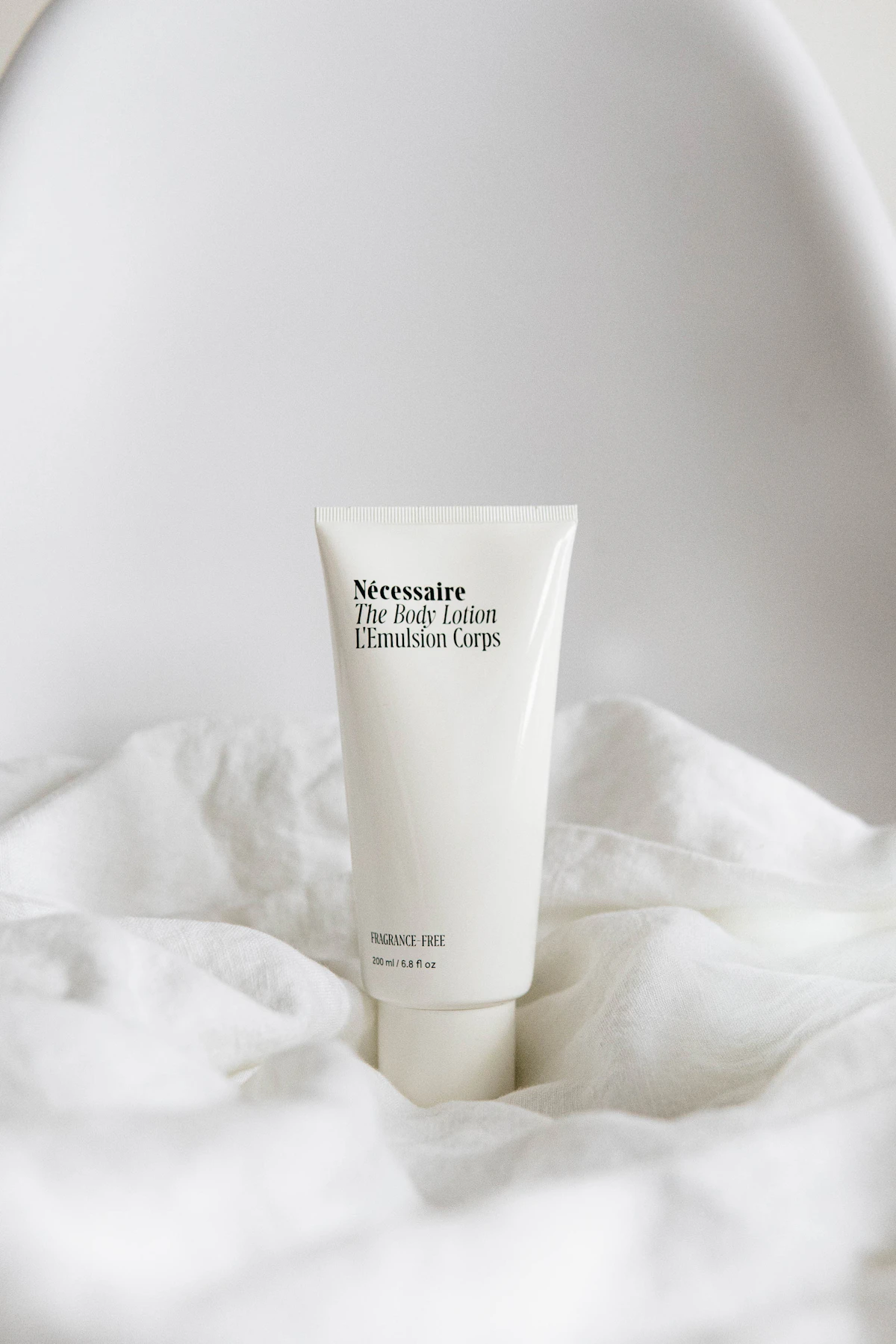
> **Image 1 Alt Text:** Clear hydrating serum droplet on clean skin with amber glass dropper bottle in background.
> **Image Generation Prompt (DALL-E / Midjourney):** *Macro beauty photography of a clear serum droplet glistening on smooth skin, amber dropper bottle, soft studio lighting, clean luxury beauty aesthetic, 8k resolution.*
—
## Introduction: The Skin Barrier Crisis & The Misunderstood Moisture Duets
If your skin frequently suffers from unexplained stinging when applying basic moisturizers, persistent tightness, flaky patches, or sudden micro-breakouts, your **Stratum Corneum (Skin Barrier)** is likely compromised.
In the search for barrier recovery, two skincare superstars dominate ingredients lists: **Ceramides** and **Hyaluronic Acid**.
While skincare marketing often lumps them together under the generic umbrella of “hydration,” Ceramides and Hyaluronic Acid serve **completely different biological functions** in dermal physiology. Using the wrong one for your specific skin condition can leave your skin feeling drier than before.
In this clinical breakdown, we examine the molecular differences between Ceramides and Hyaluronic Acid, provide a barrier diagnostic quiz, and reveal how to layer both for maximum recovery.
—
## The Molecular Difference: Water Magnet vs. Intercellular Mortar
To understand how these ingredients work, imagine your skin barrier as a sturdy **Brick and Mortar Wall**:
“`
[ THE BRICK & MORTAR SKIN BARRIER ]
┌──────────┐ ┌──────────┐ ┌──────────┐
│ Corneocyte│ │ Corneocyte│ │ Corneocyte│ <-- THE BRICKS
└──────────┘ └──────────┘ └──────────┘ (Filled with Water/HA)
──────────────────────────────────────────
░░░░ CERAMIDES / CHOLESTEROL / FATTY ACIDS ░░░░ <-- THE MORTAR
────────────────────────────────────────── (Seals Water Inside)
┌──────────┐ ┌──────────┐ ┌──────────┐
│ Corneocyte│ │ Corneocyte│ │ Corneocyte│
└──────────┘ └──────────┘ └──────────┘
```
1. **The Bricks (Corneocytes & NMF):** Skin cells packed with natural moisturizing factors and water held bound by **Hyaluronic Acid**.
2. **The Mortar (Intercellular Lipids):** The lipid matrix composed of **50% Ceramides, 25% Cholesterol, and 15% Free Fatty Acids** that glues the bricks together, preventing water from evaporating into the air.
---
## What Is Hyaluronic Acid? (The Dermal Water Sponge)
Hyaluronic Acid (HA) is a naturally occurring glycosaminoglycan capable of binding up to **1,000 times its weight in water**.
### Key Functions of Hyaluronic Acid:
* **Humectant Action:** Draws water from the environment (or deeper dermal layers) into the upper epidermis.
* **Instant Surface Plumping:** Temporarily smooths fine dehydration lines.
* **The "Dry Climate" Danger:** If you apply Hyaluronic Acid in an arid environment (low humidity) without sealing it with an occlusive lipid layer, HA will draw water *out* of your deeper skin layers, worsening **Transepidermal Water Loss (TEWL)**.
---
## What Are Ceramides? (The Lipid Barrier Sealant)
Ceramides are essential waxy lipid molecules that naturally make up over **50% of your total skin barrier composition**.
### Key Functions of Ceramides:
* **Prevents TEWL:** Seals the microscopic gaps between skin cells so moisture cannot escape.
* **Shields Against Irritants:** Blocks bacteria, allergens, and environmental pollution from penetrating deeper skin layers.
* **Anti-Inflammatory Healing:** Directly calms redness, rosacea, and post-peel sensitization.
---
## Hyaluronic Acid vs. Ceramides Comparison Matrix
| Feature / Metric | Hyaluronic Acid (HA) | Ceramides |
| :--- | :--- | :--- |
| **Ingredient Category** | Humectant (Water Magnet) | Emollient / Lipid (Moisture Sealant) |
| **Natural Skin Ratio** | Key component of Extracellular Matrix | **50% of Stratum Corneum Lipids** |
| **Primary Target Concern** | Dehydration, dullness, fine lines | Stinging, redness, flaking, raw barrier |
| **Environment Sensitivity**| Requires humidity or water sealant | Environmentally stable |
| **Best For Skin Type** | Oily, combination, dehydrated skin | Dry, sensitive, compromised, rosacea skin |
---
## Skin Diagnostic Quiz: Which Ingredient Does Your Skin Need Right Now?
### Scenario A: Your Skin Has "Dehydration"
* Your skin looks dull and feels tight after cleansing, but still produces oil throughout the day.
* Fine lines appear when you smile, but disappear after applying a wet moisturizer.
* **Verdict:** You need **Hyaluronic Acid + Water-Based Hydration**.
### Scenario B: Your Skin Has a "Damaged Lipid Barrier"
* Applying basic gentle lotions causes a burning or stinging sensation.
* Your skin has dry flaking patches, persistent redness, or raw sensitivity.
* Active ingredients (like Retinol or Vitamin C) trigger immediate flushing.
* **Verdict:** You urgently need **Ceramides + Lipid Barrier Repair**.
---
## How to Layer Ceramides & Hyaluronic Acid Correctly
For ultimate glass skin, combine both ingredients in your daily routine:
1. **Step 1:** Apply your **Hyaluronic Acid Serum** onto damp, freshly cleansed skin to attract water deep into the epidermis.
2. **Step 2:** Immediately follow with a **Ceramide Cream or Facial Oil** to lock that bound water inside and seal your lipid barrier mortar.
---
## Frequently Asked Questions (FAQ)
### What are the best types of Ceramides to look for on ingredient labels?
Look for products containing **Ceramide NP, Ceramide AP, and Ceramide EOP** combined with **Cholesterol and Phytosphingosine** in a 3:1:1 golden ratio.
### Can Hyaluronic Acid cause breakouts?
Pure Hyaluronic Acid is non-comedogenic. However, multi-molecular HA serums containing heavy silicone thickeners (like Dimethicone) can trap oil in acne-prone pores.
---
## Final Thoughts
Understanding whether your skin needs **water (Hyaluronic Acid)** or **lipids (Ceramides)** is the key to mastering clean skincare. By pairing both in correct order, you build a resilient, hydrated skin barrier that glows naturally.
*Explore more skincare breakdowns in our [Clean Beauty Journal Archive](https://thisizmarry.com/category/beauty/).*