The shampoo aisle can make a simple decision feel complicated. Products are marketed for dry hair, oily roots, curls, color-treated strands, volume, shine, and more. To choose one, start with your scalp and hair type, then consider how often your hair gets oily or dirty and what styling products you use.
The American Academy of Dermatology (AAD) recommends choosing products made for your hair type and washing based on how often your hair gets dirty or oily. This guide offers a practical way to compare shampoos without relying on trendy claims or assuming one formula works for everyone.
Start with your scalp and hair
Your scalp and your hair lengths may have different needs. For example, roots may get oily while the ends feel dry. A shampoo is primarily used to cleanse the scalp; conditioner usually focuses on the lengths and ends.
Ask yourself:
- How quickly does my scalp become oily?
- Are my strands fine, thick, straight, wavy, curly, or coily?
- Is my hair color-treated or chemically processed?
- Do I use gels, oils, creams, or other styling products regularly?
- Does my current shampoo leave my scalp and hair comfortable?
These answers can help narrow your options, but labels are starting points, not guarantees.
Common shampoo types
Everyday or gentle shampoo
A gentle shampoo can be a useful starting point if you want a basic cleanser. Follow the product directions and observe how your scalp and hair feel after washing.
Moisturizing shampoo
Some formulas are marketed for dry, thick, or curly hair. They may feel richer than a clarifying formula. If your roots feel heavy after using one, adjust the amount or look for a lighter product.
Volumizing shampoo
A volumizing formula may be marketed toward fine or flat hair. Results depend on your hair and the rest of your styling routine; product claims do not guarantee a specific amount of volume.
Color-treated hair shampoo
If you color your hair, you may prefer products labeled for color-treated hair. Read the directions and consider how often you wash, your color service, and your stylist’s advice.
Clarifying shampoo
A clarifying shampoo may be used when styling products build up, but it is not automatically needed in every routine. Follow the label, and pay attention to whether it leaves your hair feeling too dry or uncomfortable.
How to use shampoo effectively
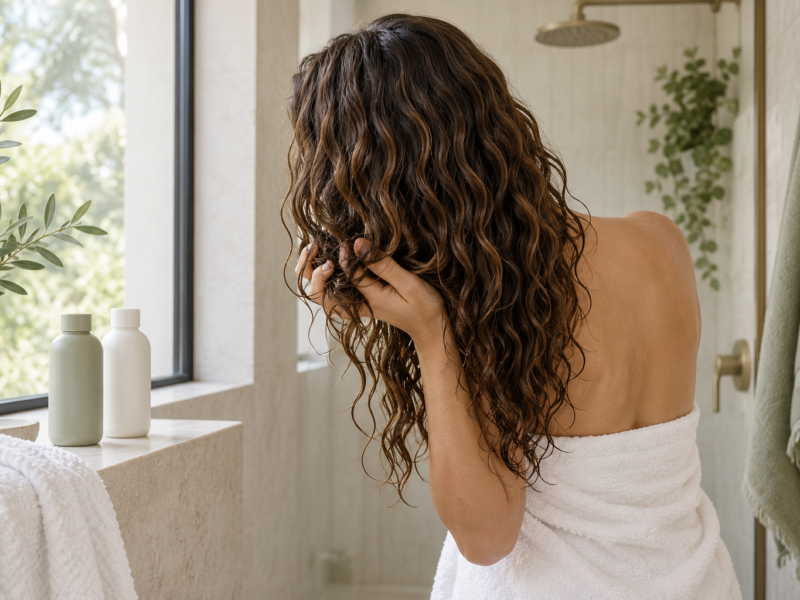
Wet your hair thoroughly. Apply shampoo to your scalp and massage gently with your fingertips. The AAD recommends applying shampoo to the scalp rather than scrubbing the full length of your hair; this helps remove buildup and excess oil while reducing unnecessary drying of the lengths. Rinse well and apply conditioner afterward.
How often to wash depends on how quickly your scalp becomes oily or dirty and on your hair type. The AAD notes that people with straight hair and an oily scalp may shampoo more often, while dry, textured, curly, or thick hair may need less frequent washing. Use your own comfort and professional advice to adjust.
Shampoo shopping checklist
Before you buy, compare:
- Hair type on the label: Is the formula intended for your hair texture or concern?
- Scalp needs: Does your scalp become oily quickly, or do you need a gentler feel?
- Color or chemical treatment: Does the product address a routine factor that matters to you?
- Directions: How often does the brand suggest using it? Is it a regular or occasional product?
- Price and size: Compare price per ounce and consider how long the bottle may last.
- Known sensitivities: Review the ingredient list and follow any clinician guidance.
- Your experience: If a shampoo repeatedly leaves your scalp uncomfortable, consider stopping it and seeking advice if the issue continues.
Frequently asked questions
Should I shampoo my scalp or all of my hair?
The AAD recommends focusing shampoo on the scalp. Let the rinse pass through the lengths instead of aggressively scrubbing them.
How often should I wash my hair?
There is no single schedule for everyone. The AAD recommends washing based on how often your hair gets dirty or oily and considering your hair type.
Do I need a separate clarifying shampoo?
Not necessarily. Some people use one when styling products build up, but it is optional. Follow the product directions and stop if it leaves your hair or scalp uncomfortable.
Is sulfate-free shampoo always better?
The label alone cannot tell you whether a shampoo is the right choice for your hair. Compare the full formula, directions, and how your hair and scalp respond. If you have a medical scalp condition, ask a dermatologist for tailored advice.
The takeaway
Choose shampoo by considering your scalp, hair type, wash frequency, and styling habits. Focus the shampoo on your scalp, condition the lengths, and compare products by clear label information rather than dramatic claims. If scalp discomfort persists, consult a qualified professional.
Sources and further reading
- American Academy of Dermatology Association, Tips for healthy hair
- American Academy of Dermatology Association, 6 curly hair care tips from dermatologists
- American Academy of Dermatology Association, Everyday hair care
Related reading
You may also find our How Often Should You Wash Your Hair? guide helpful.