Choosing face sunscreen can feel like a product-comparison project: lotion or stick, tinted or untinted, mineral or chemical, matte or dewy. Start with the label’s sun-protection details, then choose a format and finish you are comfortable using. The sunscreen you will apply as directed is more useful than a product you dislike and leave on the shelf.
This guide covers the main label terms and shopping considerations. It is not medical advice; ask a dermatologist or healthcare professional for help if you have a skin condition, allergy, or questions about a specific product.
Start with the label
The American Academy of Dermatology (AAD) recommends choosing sunscreen that is:
- Broad spectrum: protects against both UVA and UVB rays
- SPF 30 or higher
- Water resistant if you will be swimming or sweating
Check the package for these words instead of relying only on front-label claims such as “daily,” “sport,” or “glow.” Water resistance is labeled for either 40 or 80 minutes; it does not mean waterproof. Follow the product’s directions for reapplication.
Choose a formula you will use
Face sunscreen comes in lotions, creams, gels, sticks, and other formats. The best format is a matter of personal preference and where you plan to apply it. The AAD notes that creams may suit dry skin and face application, gels may feel suitable for oily areas, and sticks can be useful around the eyes. Formulas vary, so those are starting points, not guarantees.
Lotion or cream
These are familiar formats for applying sunscreen across the face and neck. Compare texture, finish, fragrance, and directions. If you wear makeup, you may prefer a formula that feels comfortable underneath it, but do not assume a sunscreen’s SPF changes based on how it looks under makeup.
Gel
A gel may feel lighter for someone who dislikes a rich texture. Check the label to ensure it has the protection features you want, and apply it as directed.
Stick
A stick can be convenient for targeted areas such as around the eyes or for reapplication on the go. Read the directions and apply enough to cover the area evenly.
Tinted sunscreen
Tinted products may be appealing if you prefer a little visible coverage. Compare the shade and finish in person if possible, and check that the sunscreen still meets the broad-spectrum and SPF criteria you need. A tinted formula is not automatically a substitute for makeup or foundation.
Mineral vs. chemical sunscreen
Mineral sunscreens use active ingredients such as zinc oxide or titanium dioxide. Other sunscreen formulas use different active ingredients. Check the “Active Ingredients” section on the package to understand what is in a specific product.
The AAD says both mineral and other sunscreen types can effectively protect skin if the product is broad spectrum, SPF 30 or higher, and water resistant. If you have sensitive skin or a known allergy, ask a dermatologist which ingredients may be appropriate for you. Do not assume “mineral,” “clean,” or “natural” means a product cannot cause irritation.
Match the sunscreen to your day
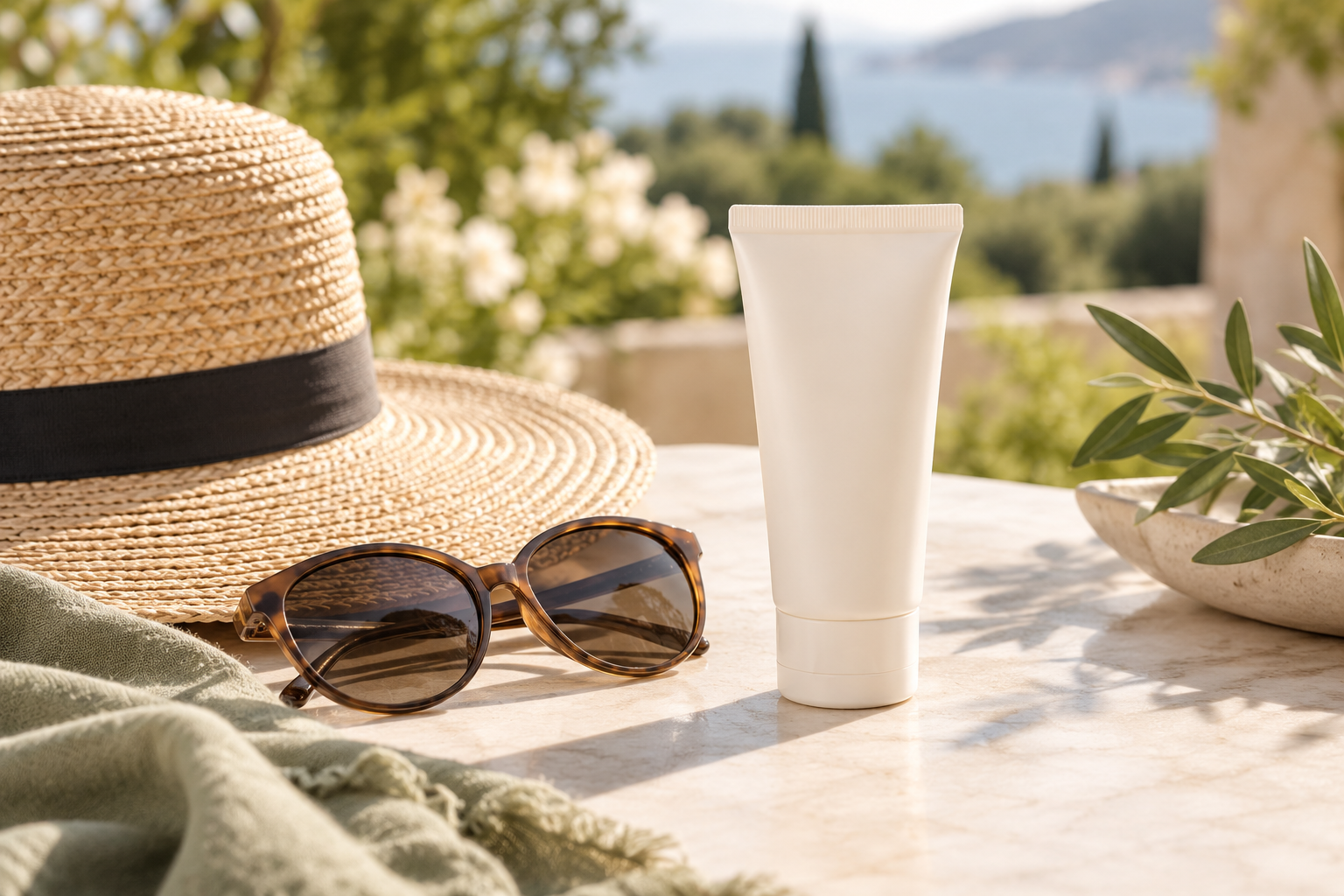
For everyday outdoor plans, look for the core label features and use additional sun-protection habits: seek shade when practical, wear a hat and sunglasses, and choose clothing that covers exposed skin. If you plan to swim or exercise outdoors, water resistance may be especially useful. Follow the product’s reapplication directions after swimming, sweating, or toweling off.
For a face product you will use daily, comfort matters. Consider whether you prefer a matte or dewy look, whether the texture works with your routine, and whether the product is easy to carry. Buy from a reliable retailer and check the package for directions and expiration information.
Sunscreen shopping checklist
Before you choose, check:
- Does the label say broad spectrum?
- Is the SPF 30 or higher, as recommended by the AAD?
- Is it water resistant if your plans involve swimming or sweating?
- Do you like the texture and finish enough to use it?
- Are there ingredients you need to avoid based on professional advice?
- Does it fit your budget and routine?
- Have you read the label directions for use and reapplication?
Common sunscreen-shopping mistakes
- Choosing by SPF number alone: SPF does not tell the whole story; look for broad-spectrum protection too.
- Assuming a product is waterproof: FDA does not allow sunscreen to be labeled waterproof. Check the water-resistance directions.
- Buying a formula you dislike: Texture and finish affect whether you will use it consistently.
- Relying on makeup with SPF alone: Follow the sunscreen directions and make sure you apply the sunscreen product as directed.
- Forgetting other sun protection: Sunscreen works alongside shade, clothing, and sunglasses.
Frequently asked questions
What SPF should I look for in face sunscreen?
The AAD recommends SPF 30 or higher, along with broad-spectrum protection. Follow the product label for application and reapplication.
Is mineral sunscreen better than chemical sunscreen?
There is no single best format for everyone. The AAD says sunscreen can be effective across types when it offers broad-spectrum protection, SPF 30 or higher, and water resistance. Personal preference and medical advice can guide your choice.
What does “water resistant” mean on sunscreen?
It means the product has been tested for a stated period of water resistance, usually 40 or 80 minutes. It does not mean waterproof. Follow the label for when to reapply.
Can I wear sunscreen under makeup?
Yes. In a basic routine, apply sunscreen after moisturizer and before makeup. Follow the sunscreen’s instructions and allow it to be applied as directed.
The takeaway
Choose face sunscreen by its label first—broad spectrum, SPF 30 or higher, and water resistance when useful—then find a format and finish you will actually wear. Use it as directed and pair it with shade, clothing, and sunglasses. For a medical concern or ingredient question, speak with a qualified professional.
Sources and further reading
- American Academy of Dermatology Association, How to select a sunscreen
- American Academy of Dermatology Association, How to decode a sunscreen label
- U.S. Food and Drug Administration, Tips to Stay Safe in the Sun: From Sunscreen to Sunglasses
Related reading
You may also find our 12 Essential Skin Care Tips For Teenagers guide helpful.