SEO title: How to Build a Personal Fragrance Wardrobe: A Beginner Guide
Meta description: Build a personal fragrance wardrobe with a few scents for different moods and settings, plus practical sampling, storage, and budget tips.
Suggested slug: build-personal-fragrance-wardrobe
Primary search intent: Informational and commercial investigation
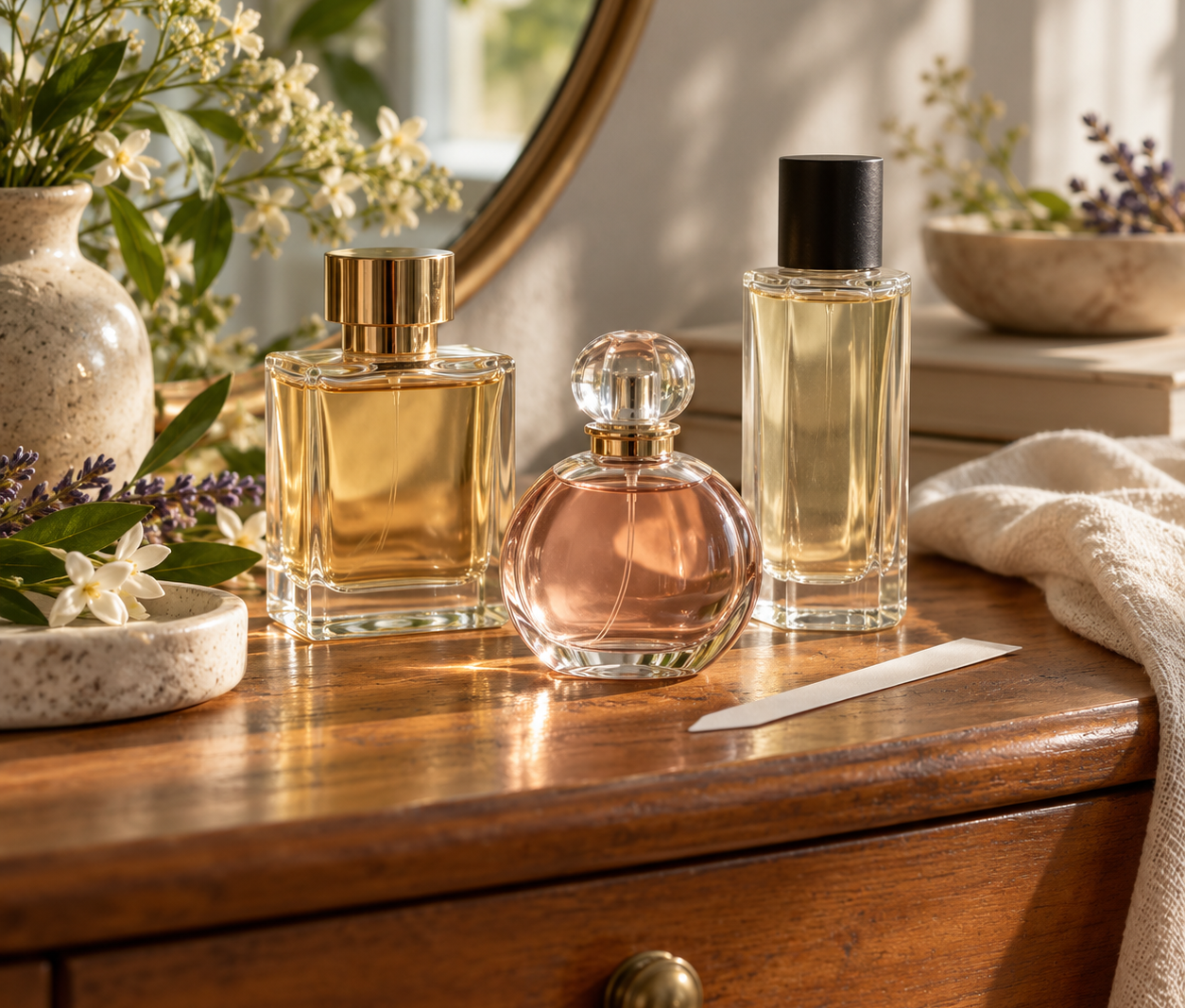
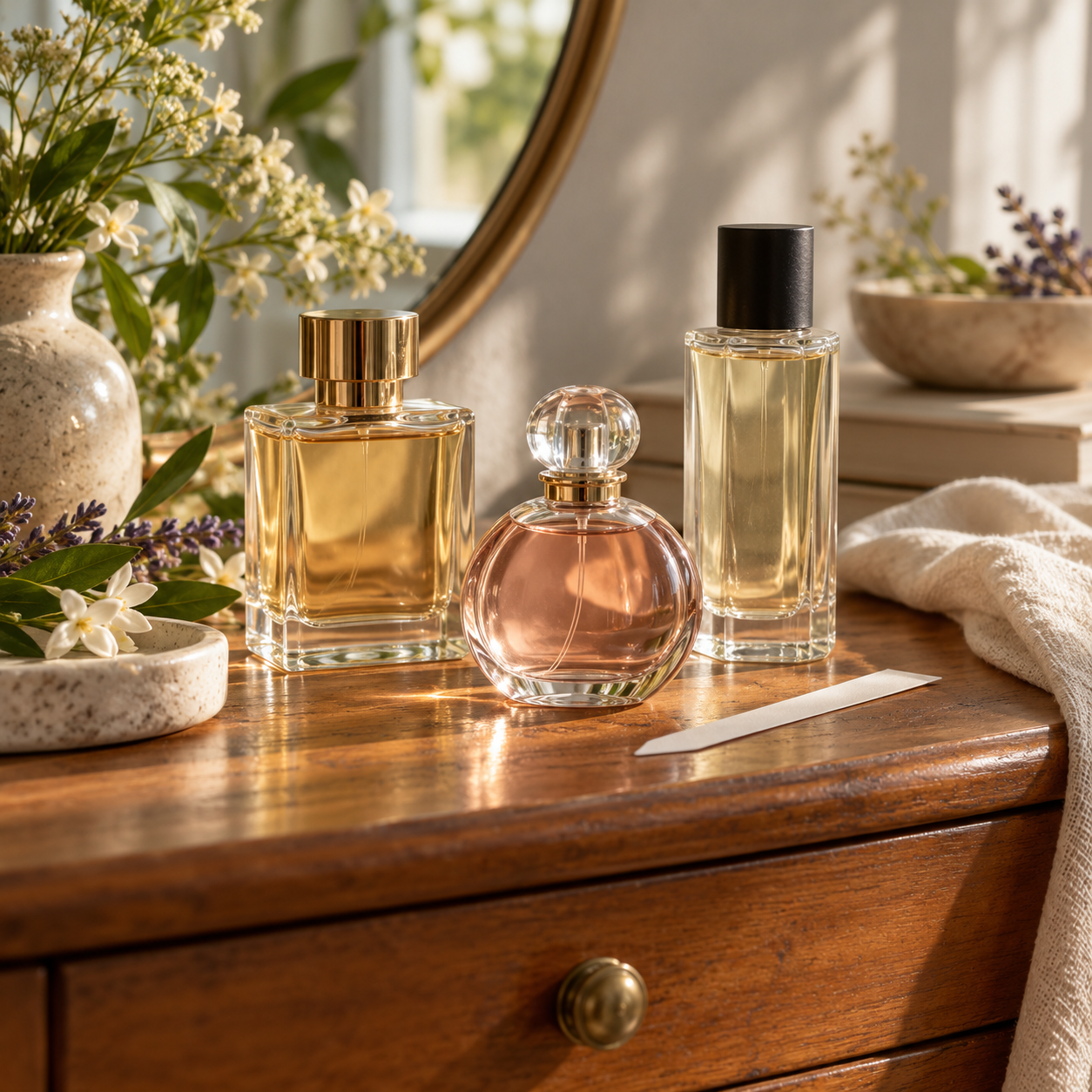
Image alt text: A small fragrance wardrobe with a few elegant perfume bottles on a tidy dresser.
A fragrance wardrobe is a small, intentional selection of scents for different moods, occasions, or seasons. It is not a required collection or a reason to buy more perfume. The aim is to understand what you enjoy and choose a few options that suit your routine and budget.
Start with the scents you already like
Think about fragrances you have enjoyed in candles, soaps, or previous perfumes. Do you tend to prefer citrus, woods, florals, fresh notes, spices, or sweet accords? These broad families are useful starting points, but they are not strict boxes. Fragrances often combine several styles, and the same note can smell different in different formulas.
Write down a few words about a scent after wearing it for a while: fresh, soft, bright, warm, powdery, or bold. This personal vocabulary can make sampling easier than shopping by trend names alone.
Choose roles instead of chasing a fixed number
You could begin with one everyday scent and one option for a different mood or occasion. Some people prefer a lighter fragrance for work or daytime and a richer one for evenings; others use one scent for everything or wear no fragrance at all. Choose based on where and when you plan to wear it, and respect fragrance-free settings and the preferences of people nearby.
Concentration labels such as eau de toilette and eau de parfum can suggest different fragrance strengths, but formulas vary. They do not tell you exactly how a fragrance will develop or how long it will last on your skin. Sample before buying a full bottle where possible.
Sample thoughtfully before you spend
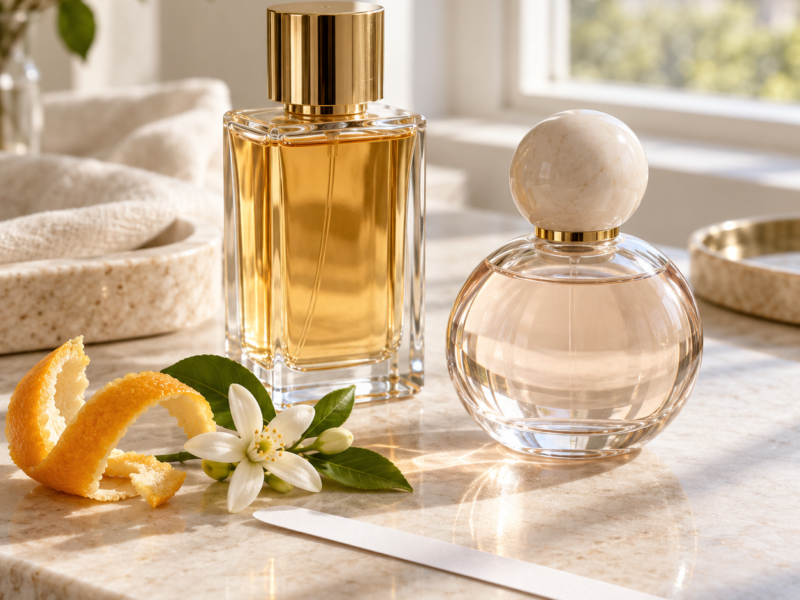
Try one scent at a time on skin if that is comfortable for you. First test on a paper strip, then sample a small amount on skin if you want to see how it develops. Give it time and avoid spraying several fragrances on the same area. Keep notes about what you like after the opening has faded; a fragrance can change as it wears.
Check the retailer’s sampling and return policy before purchasing. A small decant or sample may be a lower-cost way to decide whether a fragrance suits you. Do not buy a large bottle because a scent smells good on someone else: skin, climate, application, and personal perception all affect the experience.
Think about setting and application
For shared spaces, use a light hand and consider whether colleagues, classmates, or guests may be sensitive to fragrance. Follow the product label and avoid applying fragrance to irritated or broken skin. If you experience irritation, stop using the product; seek medical advice for persistent or serious symptoms.
Fragrance is personal and can affect people differently. The FDA explains that fragrance ingredients may be listed collectively as “fragrance” on cosmetic labels and encourages consumers with concerns to contact a healthcare professional. FDA: Fragrances in Cosmetics
Store fragrances with care
Keep bottles tightly closed, away from direct sunlight, heat, and damp areas. A cool, dry drawer or shelf is often more stable than a sunny bathroom windowsill. Store a fragrance in its original box if that helps protect it from light, and avoid leaving it in a hot car.
A simple starter plan
- List three fragrance styles you naturally enjoy.
- Choose one everyday context, such as work, school, or weekends.
- Sample a few options in that style rather than buying several full bottles.
- Wear each sample on separate days and take brief notes.
- Buy one size you expect to use, then reassess before adding another.
Frequently asked questions
How many fragrances belong in a fragrance wardrobe?
There is no standard number. One fragrance can be enough; a wardrobe can also include a few options for different settings. Use your own budget and habits as the guide.
Is eau de parfum always stronger than eau de toilette?
The labels refer to fragrance categories that often indicate different concentrations, but exact formulas and performance vary by product. Check the maker’s description and test a sample rather than assuming one label guarantees a particular wear time.
How can I make perfume last longer?
Follow the product label and apply it in a way that feels comfortable for your skin. Avoid making promises based on universal tricks because performance depends on the formula, application, skin, and environment. Do not apply fragrance to irritated skin.
Editorial note: Add the site’s real author byline and disclose affiliate relationships before publication. Do not imply personal testing unless the author actually tested each fragrance.
References: FDA: Fragrances in Cosmetics
Related reading
You may also find our Simple Tips To Always Smell Lovely and Fresh Throughout The Day guide helpful.