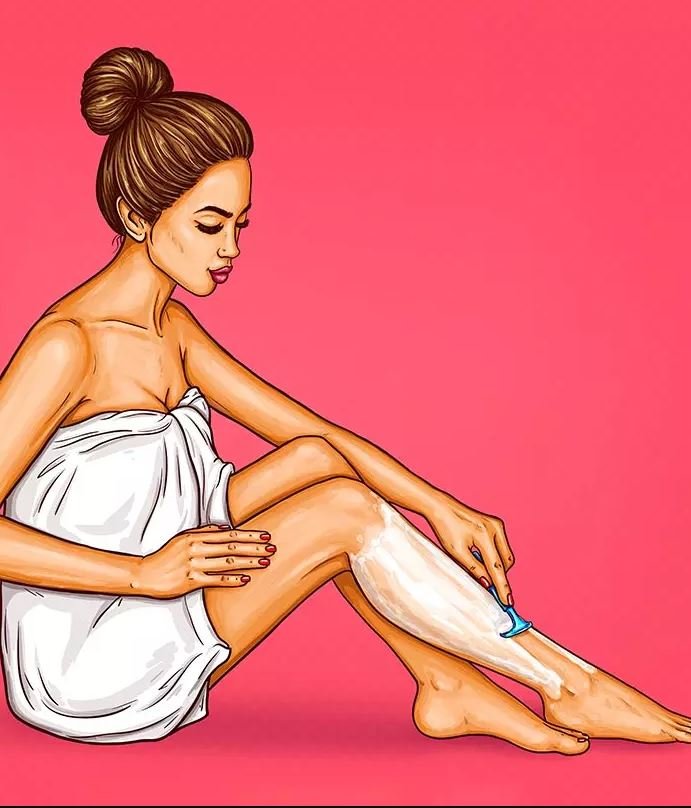
6 Ways To Get Rid Of Razor Bumps Fast
Razor bumps are an incredibly common yet deeply frustrating side effect of hair removal. If you’ve ever experienced the uncomfortable, itchy, and sometimes painful red bumps that appear after shaving, you’re far from alone. These pesky bumps, medically known as pseudofolliculitis barbae, occur when hair grows back into the skin instead of straight out of the follicle. The result is an inflammatory response that can leave your skin looking and feeling less than its best. Whether they appear on your face, legs, underarms, or bikini line, razor bumps can be a major nuisance.
The good news is that you don’t have to live with razor bumps forever. By understanding what causes them and implementing a few targeted strategies, you can significantly reduce their appearance and prevent them from coming back. In this comprehensive guide, we will explore six highly effective ways to get rid of razor bumps fast, giving you the smooth, clear skin you deserve. Let’s dive into the details.
What Causes Razor Bumps?
Before we explore the solutions, it’s essential to understand the root cause of the problem. Razor bumps are essentially ingrown hairs. When you shave, the razor cuts the hair at an angle, leaving a sharp edge. As the hair begins to grow back, this sharp edge can curl back and pierce the skin, leading to inflammation.
Several factors can increase your risk of developing razor bumps:
- Shaving Too Closely: Shaving against the grain or pulling the skin taut can cause the hair to be cut below the skin’s surface, increasing the likelihood of it growing inward.
- Dull Blades: Using a dull razor blade requires more pressure and multiple passes, which can irritate the skin and lead to uneven cuts.
- Dry Shaving: Shaving without a lubricant like shaving cream or gel increases friction and skin irritation.
- Curly Hair: People with naturally curly or coarse hair are more prone to razor bumps because the hair naturally curls back toward the skin.
- Clogged Pores: Dead skin cells and sebum can block hair follicles, forcing the hair to grow sideways or inward.
Now that we understand the underlying causes, let’s look at how to tackle the problem head-on.
1. Apply a Cold Compress to Soothe Inflammation
When razor bumps first appear, your immediate priority should be to calm the inflammation and reduce redness. One of the simplest and most effective ways to do this is by applying a cold compress to the affected area.
How it Works: The cold temperature constricts the blood vessels in the skin, which helps to reduce swelling and redness. It also provides a numbing effect that can temporarily relieve pain and itching associated with razor bumps.
How to Do It:
1. Soak a clean washcloth in cold water. You can also add a few ice cubes to the water for extra cooling power.
2. Wring out the excess water and gently press the cold washcloth against the razor bumps.
3. Hold the compress in place for 5 to 10 minutes.
4. Repeat this process several times a day as needed.
For an added soothing effect, you can substitute the cold water with chilled chamomile or green tea, both of which contain anti-inflammatory properties.
2. Exfoliate Regularly to Free Ingrown Hairs
Exfoliation is a crucial step in both treating and preventing razor bumps. By removing the layer of dead skin cells that can trap hairs beneath the surface, you allow the hairs to grow outwards naturally.
Chemical vs. Physical Exfoliation:
* Chemical Exfoliants: These include alpha-hydroxy acids (AHAs) like glycolic and lactic acid, and beta-hydroxy acids (BHAs) like salicylic acid. Chemical exfoliants dissolve the bonds between dead skin cells, making them highly effective for treating razor bumps without physically scrubbing the skin. Salicylic acid is particularly beneficial as it can penetrate the pores and reduce inflammation.
* Physical Exfoliants: These involve using a scrub or a tool like a body brush or loofah to physically slough off dead skin cells. While effective, physical exfoliation should be done gently to avoid further irritating inflamed skin.
How to Do It:
* Chemical: Apply a product containing salicylic acid or glycolic acid to the affected area once or twice a day. Start with a lower concentration to see how your skin reacts.
* Physical: Use a gentle body scrub or a soft brush in the shower. Gently massage the area in circular motions, being careful not to scrub too vigorously.
Consistent exfoliation not only helps release existing ingrown hairs but also keeps the follicles clear to prevent future bumps.
3. Use Soothing and Anti-Inflammatory Ingredients
Treating razor bumps requires calming the irritated skin. Look for topical treatments that contain ingredients known for their soothing and anti-inflammatory properties.
Top Ingredients to Look For:
* Aloe Vera: Renowned for its healing and cooling properties, aloe vera is an excellent natural remedy for razor bumps. It hydrates the skin and reduces redness. Apply pure aloe vera gel directly to the bumps.
* Tea Tree Oil: This essential oil has powerful antibacterial and anti-inflammatory properties. It can help reduce the swelling of razor bumps and prevent infection. Since tea tree oil is potent, always dilute it with a carrier oil (like jojoba or coconut oil) before applying it to the skin.
* Witch Hazel: An astringent with anti-inflammatory properties, witch hazel can soothe irritated skin and reduce redness. Apply it with a cotton pad to the affected area.
* Hydrocortisone Cream: For severe inflammation and itching, an over-the-counter hydrocortisone cream (1%) can provide rapid relief. However, this should only be used for a few days at a time, as prolonged use can thin the skin.
4. Re-evaluate Your Shaving Technique
Prevention is the best cure when it comes to razor bumps. If you frequently suffer from this condition, it’s time to take a close look at how you shave. Adopting proper shaving techniques can make a world of difference.
Best Practices for Shaving:
* Shave in the Direction of Hair Growth: Also known as shaving “with the grain,” this is perhaps the most important rule. Shaving against the grain cuts the hair too closely, increasing the risk of it curling back into the skin.
* Use a Sharp, Clean Blade: Replace your razor blade after 5 to 7 uses. A dull blade pulls at the hair and causes uneven cuts, leading to irritation.
* Don’t Pull the Skin Taut: While it might seem like a good way to get a closer shave, stretching the skin can cause the hair to retract below the surface once the skin relaxes, leading to ingrown hairs.
* Use Light Pressure: Let the razor do the work. Pressing too hard can irritate the skin and cause micro-abrasions.
* Rinse the Blade Frequently: Rinse your razor under warm water after every stroke to remove hair and shaving cream buildup.
5. Prep the Skin Before Shaving
A good shave starts before the razor even touches your skin. Proper preparation softens the hair and conditions the skin, reducing friction and the likelihood of razor bumps.
The Pre-Shave Routine:
1. Hydrate: Always shave at the end of your shower or bath. The warm water and steam will soften the hair and open the pores, making the hair easier to cut.
2. Cleanse: Wash the area with a gentle cleanser to remove dirt, oil, and sweat.
3. Use Shaving Cream or Gel: Never dry shave. Apply a generous layer of a moisturizing shaving cream, gel, or oil. This creates a protective barrier between the blade and your skin, allowing the razor to glide smoothly. Avoid products with heavy fragrances or alcohol, which can cause irritation.
6. Consider Alternative Hair Removal Methods
If despite your best efforts, razor bumps continue to be a persistent problem, it might be time to explore alternative hair removal methods. Shaving isn’t the only option, and some methods are less likely to cause ingrown hairs.
Alternatives to Shaving:
* Trimming: Using an electric trimmer with a guard leaves the hair slightly above the skin’s surface, virtually eliminating the risk of ingrown hairs. This is an excellent option for areas prone to severe bumps.
* Depilatory Creams: These creams dissolve the hair just below the surface of the skin without creating a sharp edge. However, the chemicals can be harsh, so always do a patch test first.
* Waxing or Sugaring: These methods remove the hair from the root. While they can sometimes cause ingrown hairs if the hair breaks during removal, regular exfoliation can help manage this. The results also last much longer than shaving.
* Laser Hair Removal: For a more permanent solution, laser hair removal damages the hair follicle to prevent future growth. This is highly effective for reducing razor bumps, as it eliminates the hair altogether. It requires multiple sessions and an initial investment, but the long-term results are often worth it for those struggling with chronic razor bumps.
When to See a Dermatologist
Most cases of razor bumps can be treated effectively at home using the methods outlined above. However, if your razor bumps become severely inflamed, painful, or show signs of infection (such as pus or increasing warmth), it’s important to seek medical advice. A dermatologist can prescribe stronger topical treatments, such as retinoids or antibiotics, to clear up the condition and prevent scarring.
Conclusion
Razor bumps are a frustrating and uncomfortable issue, but they are entirely manageable. By combining immediate soothing treatments like cold compresses and anti-inflammatory ingredients with long-term preventative measures like regular exfoliation and improved shaving techniques, you can banish those pesky bumps for good. Remember that consistency is key. Adopt a gentle, thoughtful approach to hair removal, and your skin will thank you with a smooth, bump-free appearance.