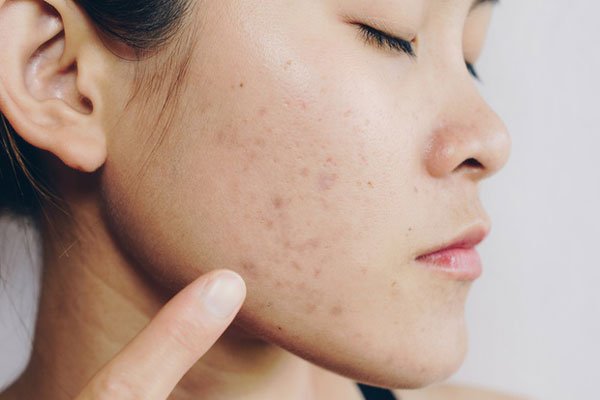
How to Get Rid of Acne Fast at Home: Effective Remedies and Tips
Acne is a nearly universal experience. Whether you’re a teenager navigating hormonal changes or an adult dealing with stress-induced breakouts, the sudden appearance of a pimple—especially right before an important event—can be deeply frustrating. The urge to make it disappear immediately is strong.
While there is no magic spell to banish acne overnight, there are several effective, science-backed home remedies and strategies that can significantly reduce inflammation, speed up healing, and help you get rid of acne fast at home.
In this comprehensive guide, we’ll explore actionable steps you can take right now to treat an active breakout and prevent future ones, using ingredients and methods readily available.
Understanding What Causes Acne
Before diving into treatments, it’s helpful to understand what you’re fighting. Acne occurs when the pores of your skin become blocked with oil (sebum), dead skin cells, and bacteria.
- Excess Sebum Production: Hormonal fluctuations can cause sebaceous glands to produce too much oil.
- Dead Skin Cells: When dead skin cells aren’t shed properly, they mix with the excess oil and plug the hair follicle (pore).
- Bacteria: The plugged pore creates an ideal, oxygen-free environment for Cutibacterium acnes (C. acnes), a bacteria normally present on the skin, to multiply rapidly.
- Inflammation: The body’s immune system reacts to this bacterial overgrowth, leading to the redness, swelling, and pus associated with pimples.
To get rid of acne fast, treatments must target one or more of these underlying causes: reducing oil, unclogging pores, killing bacteria, or calming inflammation.
1. The Power of Ice for Immediate Relief
If you have a large, red, swollen pimple (a papule or cyst), ice is your first line of defense. Cold therapy is incredibly effective at reducing inflammation quickly.
How it works: Ice constricts the blood vessels underneath the skin. This immediate decrease in blood flow significantly reduces the swelling and redness associated with the inflammatory response. It can also help numb the area, providing pain relief for particularly tender cysts.
How to use it:
– Wrap an ice cube in a clean, thin cloth or paper towel. Never apply ice directly to the skin, as it can cause a mild frostbite effect and damage the skin barrier.
– Gently hold the ice pack against the pimple for 30 seconds to 1 minute.
– Remove it, wait a few minutes, and repeat the process a few times.
– You can do this multiple times a day.
2. Spot Treatments with Salicylic Acid
Salicylic acid is one of the most trusted and effective over-the-counter ingredients for treating acne fast. It is a beta-hydroxy acid (BHA), which means it’s oil-soluble.
How it works: Because it’s oil-soluble, salicylic acid can penetrate deep into the sebum-filled pores. Once inside, it acts as an exfoliant, dissolving the dead skin cells and debris that are plugging the pore. It also possesses mild anti-inflammatory properties, helping to reduce redness.
How to use it:
– Look for a spot treatment containing 1% to 2% salicylic acid.
– After cleansing your face, apply a tiny amount directly to the pimple using a cotton swab or clean finger.
– Avoid applying it to surrounding healthy skin, as it can cause dryness and peeling.
– Use it once or twice daily, but back off if your skin becomes irritated.
3. Tea Tree Oil: Nature’s Antibacterial
If you prefer a natural approach, tea tree oil is a powerful essential oil renowned for its antimicrobial properties. Studies have shown it can be as effective (though slightly slower acting) as benzoyl peroxide in treating mild to moderate acne, often with fewer side effects like extreme dryness.
How it works: Tea tree oil contains compounds like terpinen-4-ol, which have been proven to kill certain bacteria, viruses, and fungi. When applied to acne, it targets the C. acnes bacteria causing the infection and reduces the associated inflammation.
How to use it:
– Crucial step: Dilute it. Pure tea tree oil is potent and can burn or irritate the skin if applied undiluted.
– Mix 1 part tea tree oil with 9 parts water or a carrier oil (like jojoba or sweet almond oil).
– Dip a cotton swab into the diluted mixture and apply it directly to the pimple.
– You can apply moisturizer afterward if needed. Apply once or twice a day.
4. Benzoyl Peroxide for Stubborn Breakouts
Benzoyl peroxide is the heavy hitter of over-the-counter acne treatments. It’s best used for inflammatory acne—red, angry pimples, and whiteheads.
How it works: Benzoyl peroxide works by introducing oxygen into the pore. Since the C. acnes bacteria cannot survive in an oxygen-rich environment, the benzoyl peroxide effectively kills them. It also helps peel away dead skin and dry up excess oil.
How to use it:
– Benzoyl peroxide comes in various strengths (2.5% to 10%). Studies suggest that 2.5% is often just as effective as higher concentrations but causes significantly less irritation. Start low.
– Apply a thin layer to the affected area (spot treatment).
– Warning: It can bleach fabrics, so be careful with towels, pillowcases, and clothing after application. It can also cause dryness and flaking, so moisturizing is essential.
5. Hydrocolloid Pimple Patches
Pimple patches have revolutionized at-home acne care in recent years. They are small, translucent stickers made of hydrocolloid, a moisture-retentive dressing often used in medical settings for wound healing.
How they work: When applied over a whitehead or a pimple that has come to a head, the hydrocolloid absorbs the excess fluid (pus and oil) from the blemish, turning the patch white.
More importantly, they create a protective barrier. They prevent you from picking or popping the pimple (which exacerbates inflammation and causes scarring) and keep outside bacteria away, creating an optimal, moist environment for rapid healing.
How to use them:
– Clean and dry the area completely (the patch won’t stick well if the skin is oily or has moisturizer on it).
– Apply the patch over the pimple and leave it on overnight or for at least 6-8 hours.
– Peel it off gently; you should see the absorbed gunk on the patch, and the pimple should be significantly flatter.
6. The Golden Rule: Hands Off!
It is the hardest rule to follow, but arguably the most important: Do not pop, squeeze, or pick at your pimples.
Why popping is bad:
– Squeezing a pimple forces the bacteria and debris deeper into the skin follicle, causing the follicle wall to rupture.
– This spreads the infection beneath the skin, often resulting in a larger, more inflamed nodule.
– Popping traumatizes the skin, dramatically increasing the risk of hyperpigmentation (dark spots) and permanent pitted scarring.
If a pimple has a very visible, ready whitehead, you might carefully extract it using a sterilized comedone extractor after a warm compress, but it’s generally much safer and faster-healing to use a hydrocolloid patch instead.
7. Keep Your Routine Simple and Gentle
When dealing with a breakout, the instinct is often to scrub the skin intensely and apply multiple harsh treatments. This is counterproductive.
Over-washing or using abrasive scrubs damages the skin barrier, causing irritation and prompting the skin to produce more oil to compensate, fueling the acne cycle.
A healing routine:
– Cleanse: Use a gentle, non-comedogenic (won’t clog pores) cleanser twice a day. Avoid harsh soaps.
– Treat: Apply your chosen spot treatment (Salicylic Acid, Benzoyl Peroxide, or Tea Tree Oil) to the active breakouts.
– Moisturize: Even oily, acne-prone skin needs hydration. Use a lightweight, oil-free moisturizer. If your skin is dry, it produces more oil.
– Sunscreen: Many acne treatments increase sun sensitivity. Use a non-comedogenic SPF during the day to prevent dark spots from forming where the pimple was.
Conclusion
Getting rid of acne fast at home requires a targeted, gentle approach. By understanding the causes of acne, you can utilize the right tools: ice for immediate swelling reduction, salicylic acid or benzoyl peroxide to clear pores and kill bacteria, tea tree oil for a natural antibacterial option, and hydrocolloid patches to extract impurities and protect the healing skin.
Above all, resist the urge to pick, maintain a simple skincare routine, and give the treatments time to work. With consistency and the right methods, you can significantly reduce the lifespan of a breakout and restore clear skin quickly and safely. If your acne is severe, cystic, or doesn’t respond to at-home treatments after several weeks, it’s time to consult a board-certified dermatologist for professional medical options.